


Spaying or neutering your pet is one of the most important medical decisions you’ll make early in their life. It helps prevent unplanned litters, but it also plays a key role in reducing certain health risks and behavioral concerns.
Our experienced Poughkeepsie veterinarians have performed countless cat and dog spay and neuter surgeries, and are continually learning about the latest methods in pain management, anesthesia safety, and advanced surgical techniques. At Community Animal Care, our team focuses on your pet’s safety every step of the way to ensure a smooth recovery.
If you’re wondering when to schedule or whether it’s the right choice for your pet, we’re here to walk you through it. Call us at (845) 471-7459 or book a consultation online.
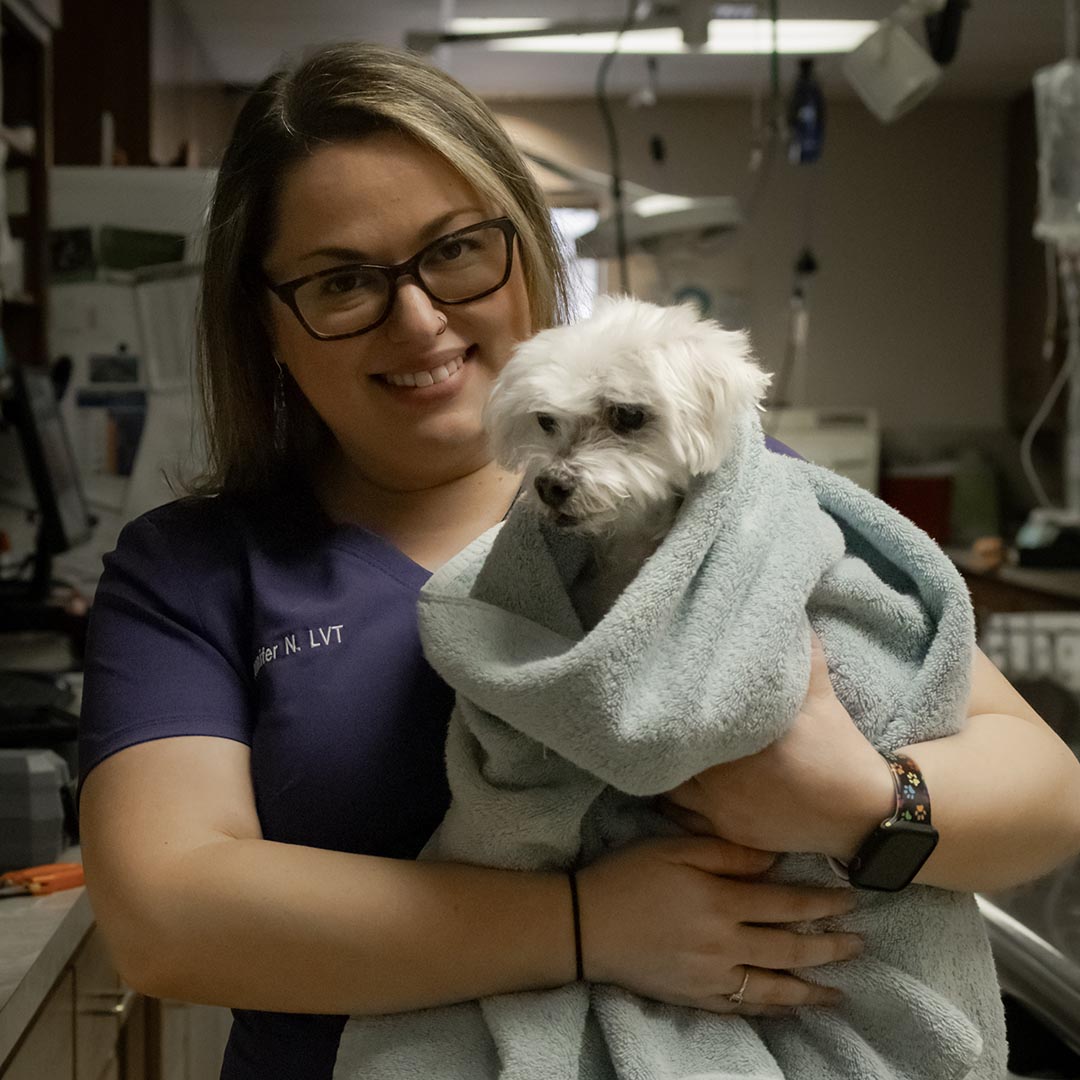
When Does My Pet Need to Be Spayed or Neutered?
Most pets are spayed or neutered within their first year, but timing can vary based on breed, size, and overall health.
You should schedule a consultation if your pet:
Is a puppy or kitten approaching 5–6 months of age
Has not yet been spayed or neutered
Is showing behavioral changes related to hormones
Is at risk for accidental breeding
For some pets, especially larger breeds, we may recommend adjusting timing based on growth and development. We’ll guide you on what’s appropriate for your individual pet.
How Spay and Neuter Support Health and Behavior
Spaying and neutering offer both medical and behavioral benefits that can impact your pet’s long-term health, while also reducing pet overpopulation in the community.
This procedure helps:
Prevent unexpected litters
Reduce the risk of certain cancers (such as mammary and testicular cancer)
Lower the chance of uterine infections (pyometra) in females
Remove the possibility of pregnancy and birthing difficulties
Decrease hormone-driven behaviors like roaming, marking, and aggression
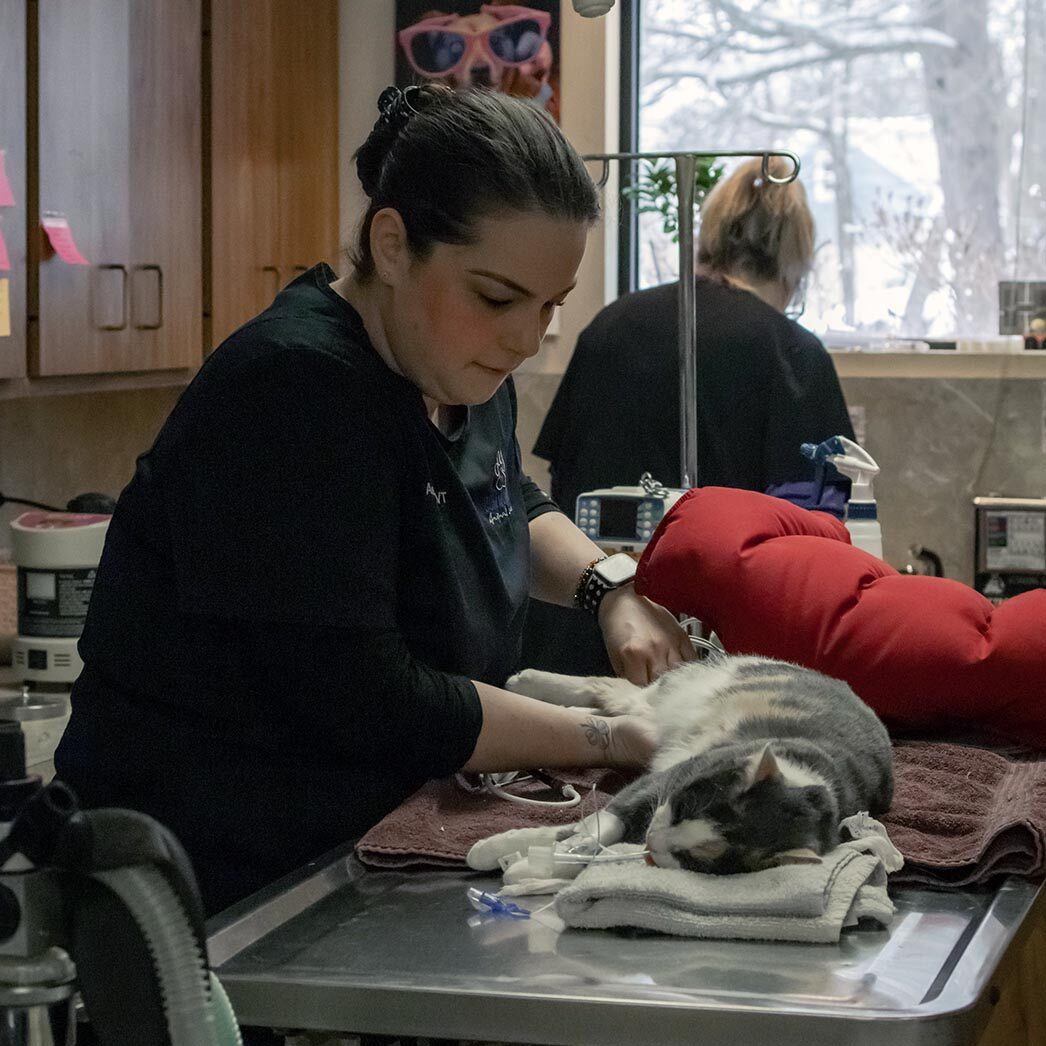
What Happens During a Spay or Neuter Procedure?
Spay and neuter surgeries are routine procedures, but they require careful preparation and monitoring.
During your pet’s procedure, our veterinary team will:
Perform a pre-surgical physical exam
Recommend or review pre-anesthetic bloodwork
Administer general anesthesia with close monitoring
Use modern surgical techniques to complete the procedure safely
Provide pain management before, during, and after surgery
We monitor vital signs such as heart rate, oxygen levels, and blood pressure throughout the procedure to support your pet’s safety, with a dedicated team member assigned solely to monitoring and recovery.
What Should I Expect After My Pet’s Spay or Neuter?
Most pets recover smoothly with a little rest and at-home care.
After surgery:
Your pet may be sleepy or quiet for the first 24 hours
Activity should be restricted for about 10–14 days
An e-collar (cone) may be needed to protect the incision
We may send home pain medication to keep your pet comfortable
We’ll give you clear instructions and let you know what’s normal versus when to call us.
What Happens If I Delay Spay or Neuter Surgery?
Waiting too long can increase certain risks and make surgery more complex. Early planning allows for a safer, more predictable experience, and a shorter, smoother recovery.
Delaying may lead to:
Higher risk of reproductive cancers or infections
Unplanned pregnancies
Stronger hormone-driven behaviors
More complicated surgical procedures later in life
Plan Ahead for a Safer, Smoother Experience
Spaying or neutering is a proactive step that supports your pet’s long-term health and helps prevent future complications. Our team is here to help you make an informed decision and ensure your pet receives safe, attentive care from start to finish.
If your pet is approaching the right age or you’re unsure about timing, schedule a visit with Community Animal Care by calling (845) 471-7459 or booking online.